SCDRCP Team
SFK Data and Registries.

Prof. Benard M. Sorre
Chairperson
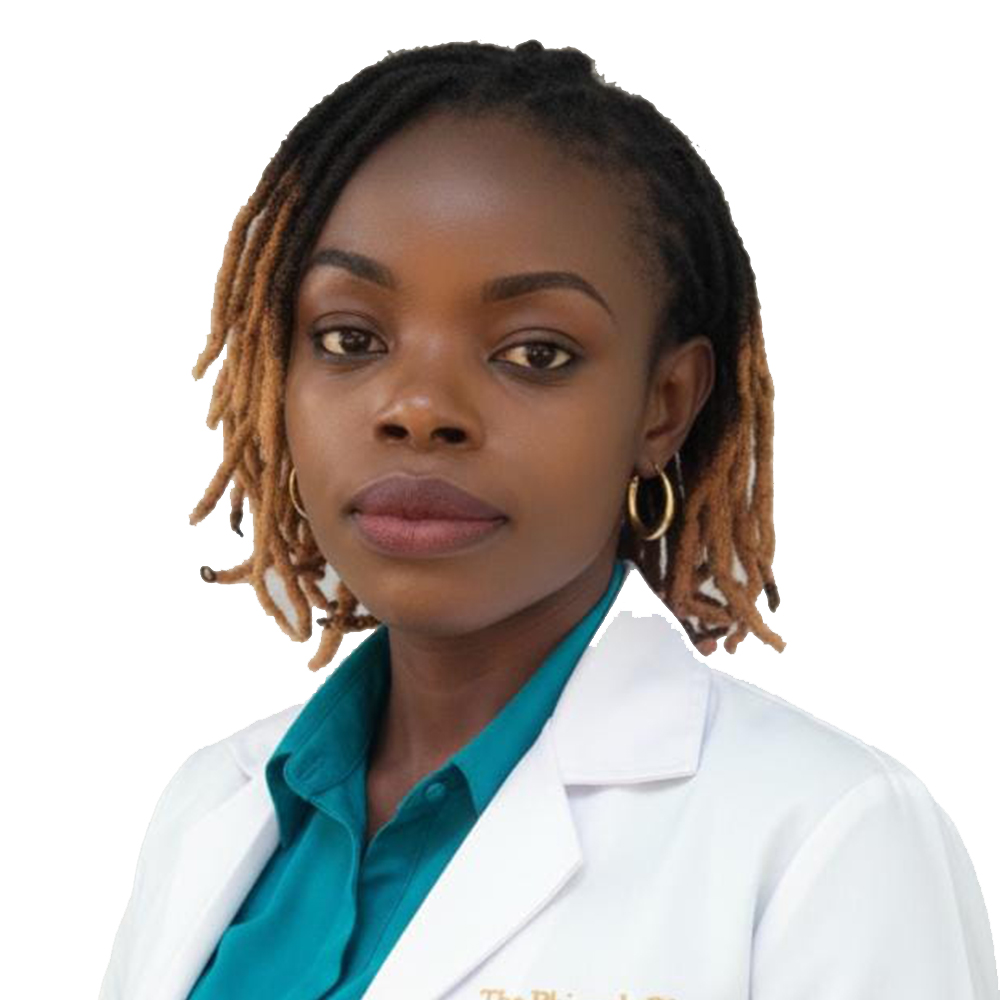
Phiona Obanda
Treasurer

Maurice Shilabula
Vice Chairperson

Davis Ford
Treasurer
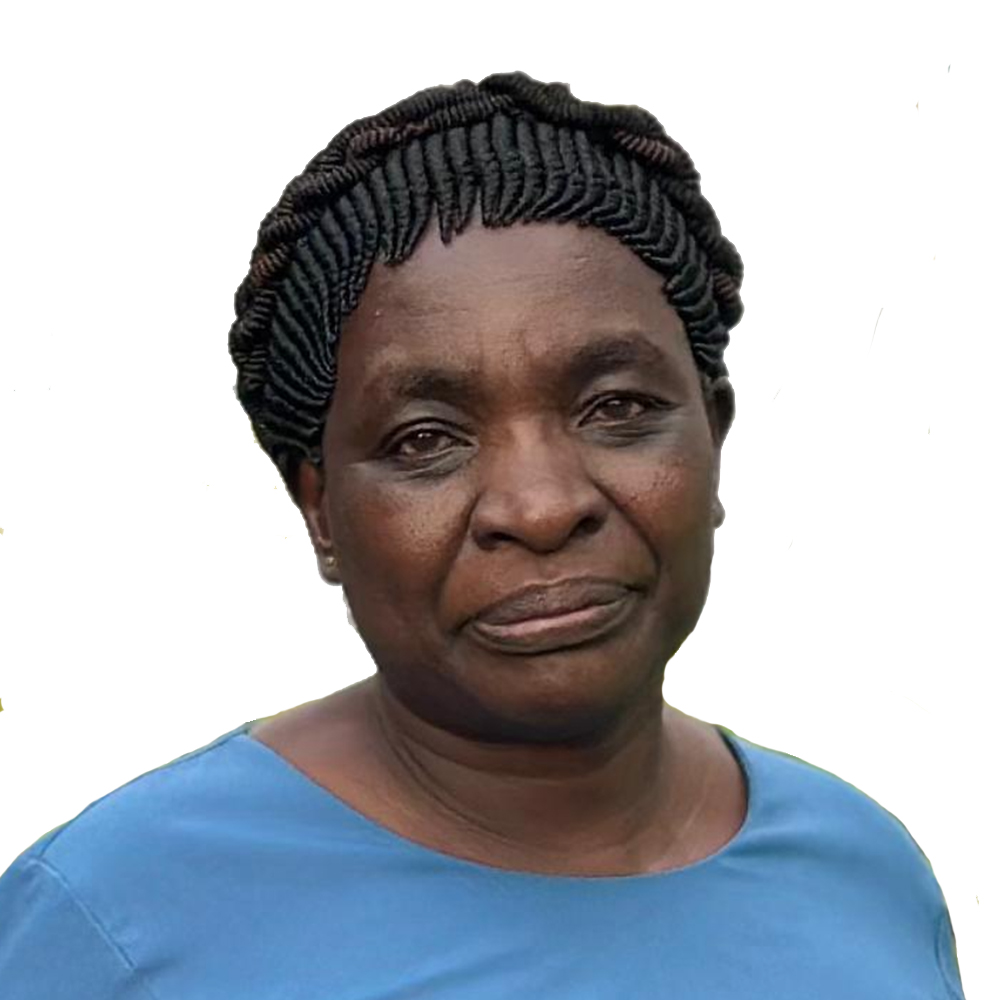
Prof. Constance N. Tenge
Technical Coordinator

David Tenge
Advocate

Paul Obwong
Data Assistant

Absolom Simiyu
Male PLWSCD Representative

Jemimah Nasambu
Female PLWSCD Representative

Oscar Butete
Registry Person

Martin Luther
ICT Assistant
MISSION
A Kenya where every individual is protected from the burden of Sickle Cell Disease through equitable access to prevention, quality care, and accurate data-driven interventions.
VISION
To strengthen evidence-based prevention, diagnosis, management, and monitoring of Sickle Cell Disease through registries, research, capacity building, public awareness, and strategic partnerships.
CORE VALUES
Integrity
Professionalism
Transparency
Equity and Inclusion
Accountability
Evidence-based Practice
Partnership and Collaboration
Brief history about Sickle Cell Disease
Sickle Cell Disease (SCD) affects millions of people throughout the world.
Global prevalence of SCD in 2021 was estimated at 7.74 million cases, with Sub-Saharan Africa accounting for 5.7 million of these cases.
This was an increase by ~41·4% from 5·46 million in 2000 to 7·74 million in 2021.
Globally, an estimated 515,000 children are born with SCD every year, with 405,000 (79%) cases occurring in Sub-Saharan Africa. In 2021, there were 376,000 deaths among people living with SCD, of which 265,000 (70%) occurred in Sub-Saharan Africa.
In children younger than 5 years, there were 81 100 deaths, ranking total sickle cell disease mortality as 12th across all causes estimated in 2021.
Up to 50-90% of children with SCD will die before their 5 thbirthday if no interventions are done. In 2021, there were 376,000 deaths among people living with SCD, of which 265,000 (70%) occurred in Sub-Saharan Africa.
In Kenya, approximately 14,000 are born with sickle cell disease each year. Most of the cases are found in Western, Nyanza, Coast, Nairobi and parts of Eastern regions or provinces. There is paucity of population level data in general. Based on model projections, it is estimated that almost 6,000 newborns (one in every 150 newborns) had sickle cell in 2010 and this could rise to over 10,000 (one in every 100 newborns) per year if appropriate control measures are not put in place. The distribution reflects the fact that Sickle Cell Trait (HB AS) confers a survival advantage against malaria and that selection pressure due to malaria has resulted in high frequencies of the mutant gene especially in high malarial transmission areas.
SCD is a hereditary blood disorder. It is inherited in an autosomal recessive fashion. Any person carrying the sickle cell gene can transmit it to his/her offspring. Two categories exist –
➢ Those who have inherited the gene from one parent and are referred to as carriers or have the Sickle Cell Trait (SCT). They lead normal lives, do not show signs of disease but are often unaware that they carry the gene.
➢ Those who have inherited the gene from both parents and are referred to as having Sickle Cell Anaemia (SCA). They have lifelong signs of sickness, which include anaemia, occlusion of blood vessels, infections and chronic damage to
various organs.
A person who has normal haemoglobin is referred to as having Hb AA, while the one who is a carrier is referred to as having Hb AS and the one who has the disease is referred as having Hb SS. The likelihood that a pregnancy will result
into an offspring with Sickle Cell Anaemia (HB SS) is 25 percent if both parents are carriers (Hb AS & Hb AS)), is 50 percent if one parent is a carrier and the other one is a sickler (Hb AS & Hb SS) and 100 percent if both
parents are sicklers ( Hb SS & Hb SS ).
It is therefore, advisable that those who carry the gene (Hb AS and Hb SS) get spouses who have the normal haemoglobin (Hb AA) so that their offspring can have either the normal haemoglobin (Hb AA) or the trait (Hb AS). We argue that
if we provide information to the public, screen, test and counsel, we can prevent the birth of sicklers in Kenya and therefore reduce the burden.
The intervention strategies for SCD are categorized into primary, secondary and tertiary by the World Health Organization (WHO). The tertiary intervention entails managing the complications as the patients present with the signs and symptoms. The secondary intervention entails screening the newborns, identifying those with SCD, follow them up and provide prophylactic management The primary intervention entails preventing birth of sicklers by ensuring persons are aware of their carrier status, there is pre-conception genetic counselling and reproductive choices are made. In order to be effective, all these intervention strategies should be carried out concurrently in an organized manner and in a SCD Control Programme. That is the focus of our project.