What is SCD?
Sickle cell refers to Sickle Cell Disease (SCD), a group of inherited blood disorders that affect hemoglobin—the protein in red blood cells that carries oxygen.
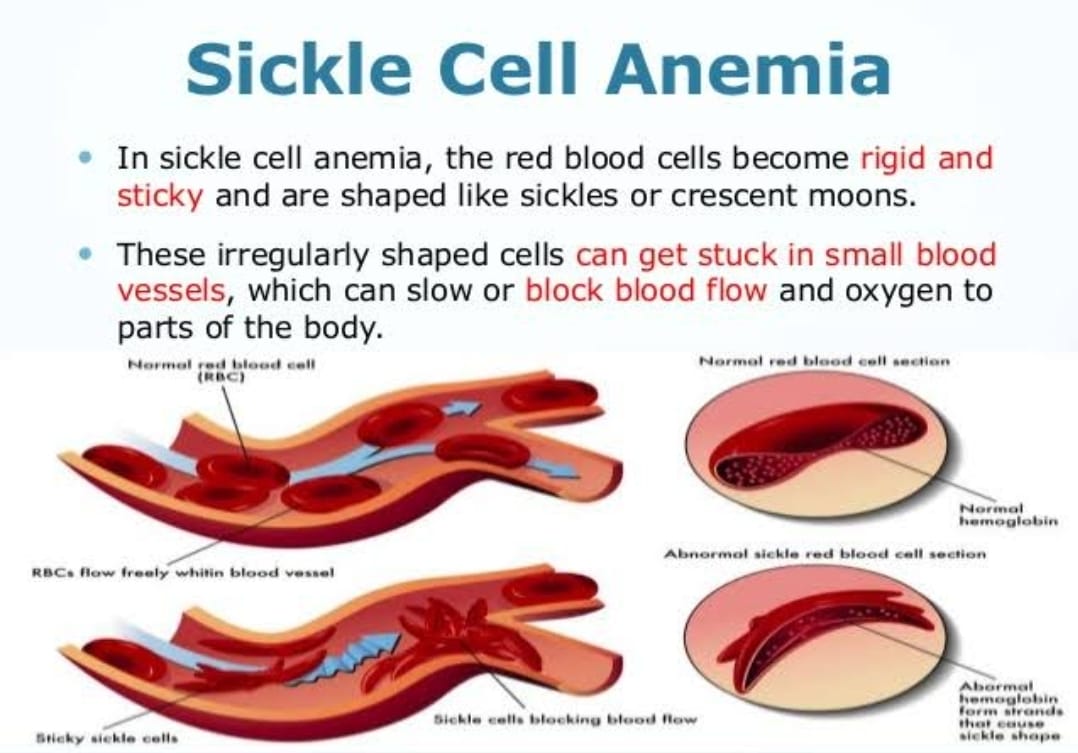
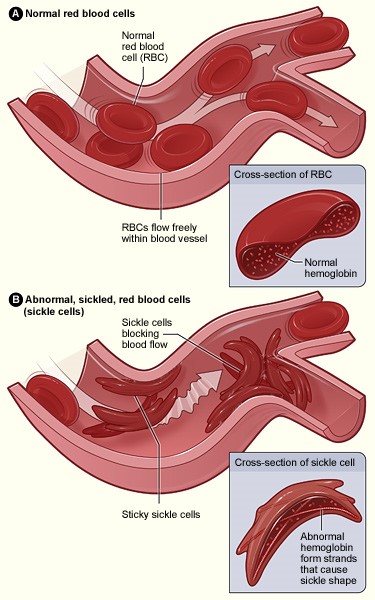
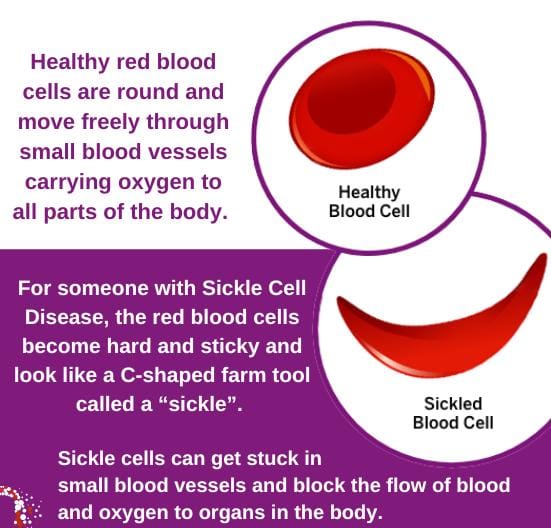
A mutation causes red blood cells to become rigid, sticky, and C-shaped (“sickled”). These cells break down more quickly, causing anemia. They can block small blood vessels, leading to painful crises and organ damage.
How Sickle Cell Disease is inherited
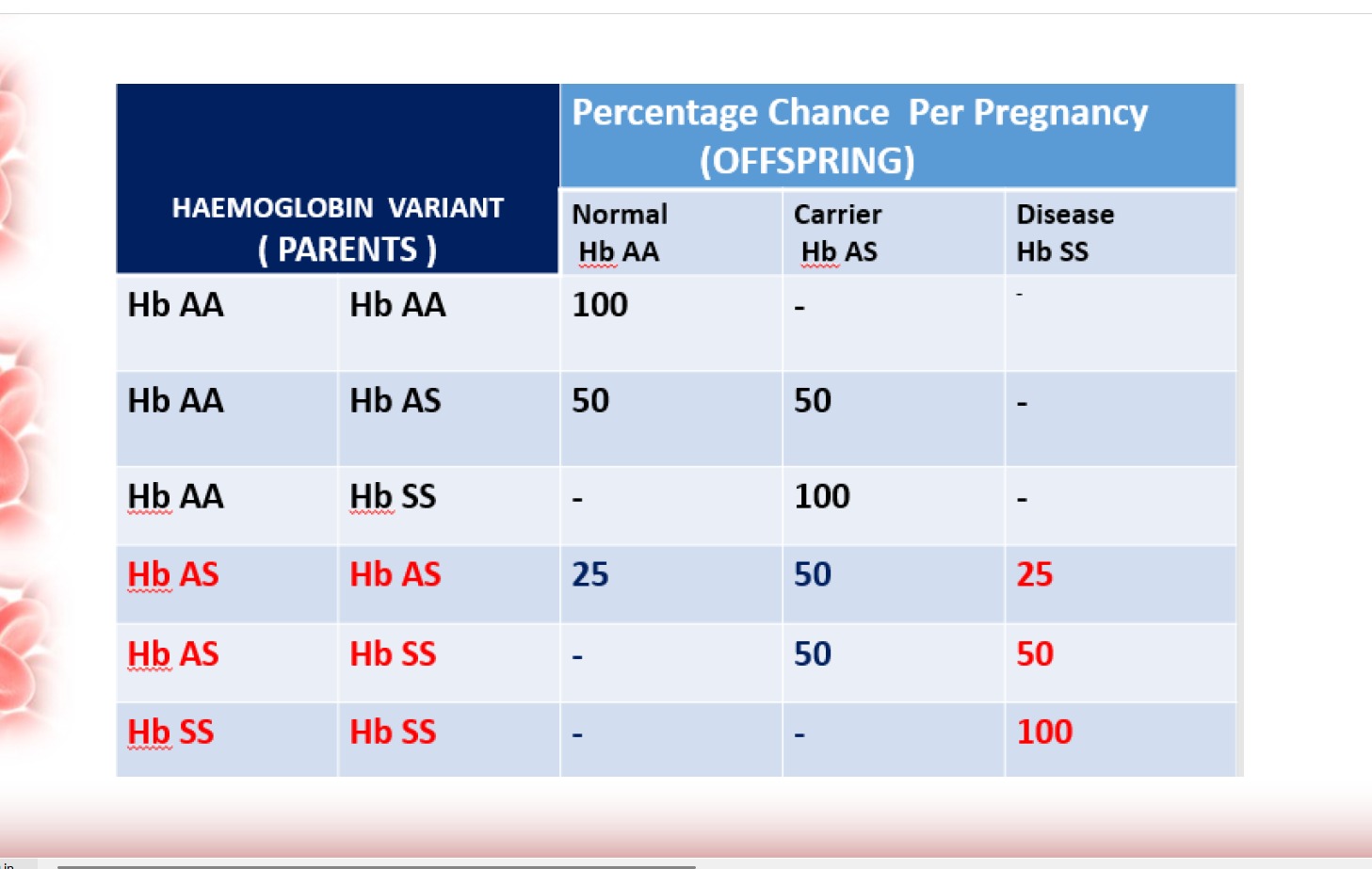
Fundamentals
Symptoms
- Pain episodes (“sickle cell crises”)
- Fatigue and anemia
- Swelling of hands/feet
- Frequent infections
- Yellowing of skin/eyes (jaundice)
- Delayed growth in children
Complications
- Stroke
- Acute chest syndrome
- Organ damage (kidneys, spleen)
- Vision problems
- Increased risk of infections
Treatment options
- Hydroxyurea
- Pain Management
- Blood Transfusion
- Antibiotics/Vaccines to prevent infections
- Change of lifestyle and self management as a form of supportive and preventive treatment option
- Only known cure for sickle cell is a bone marrow transplant which is a complicated option